Nutrition basics
High-sodium foods: a practical guide for meals at home and away
Understand the difference between salt and sodium, common sources, and realistic ways to reduce sodium in everyday meals.
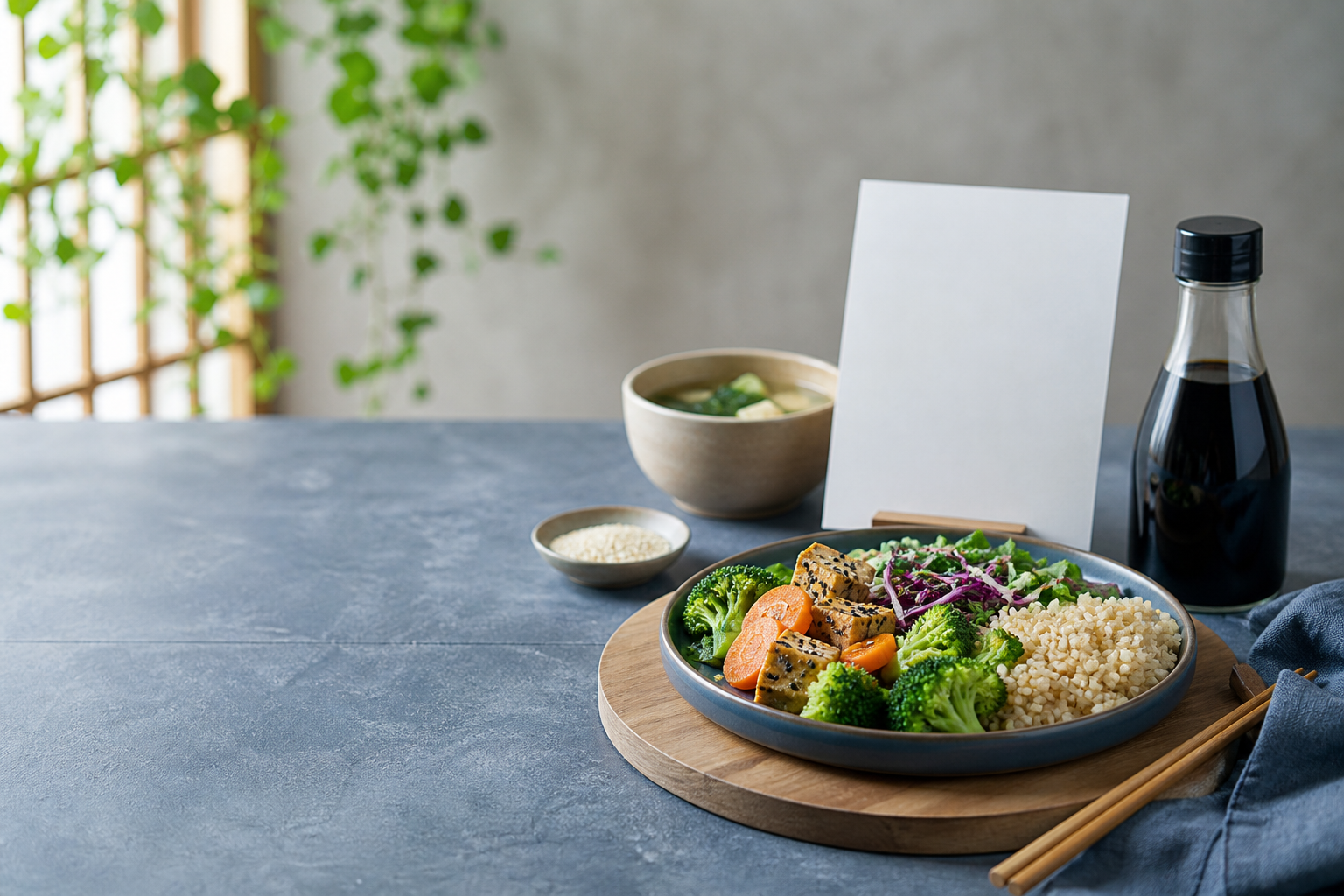
Sodium is essential, but it can come from packaged foods, restaurant meals, condiments, and foods eaten frequently—not only from a salt shaker.
The main sources are often hidden
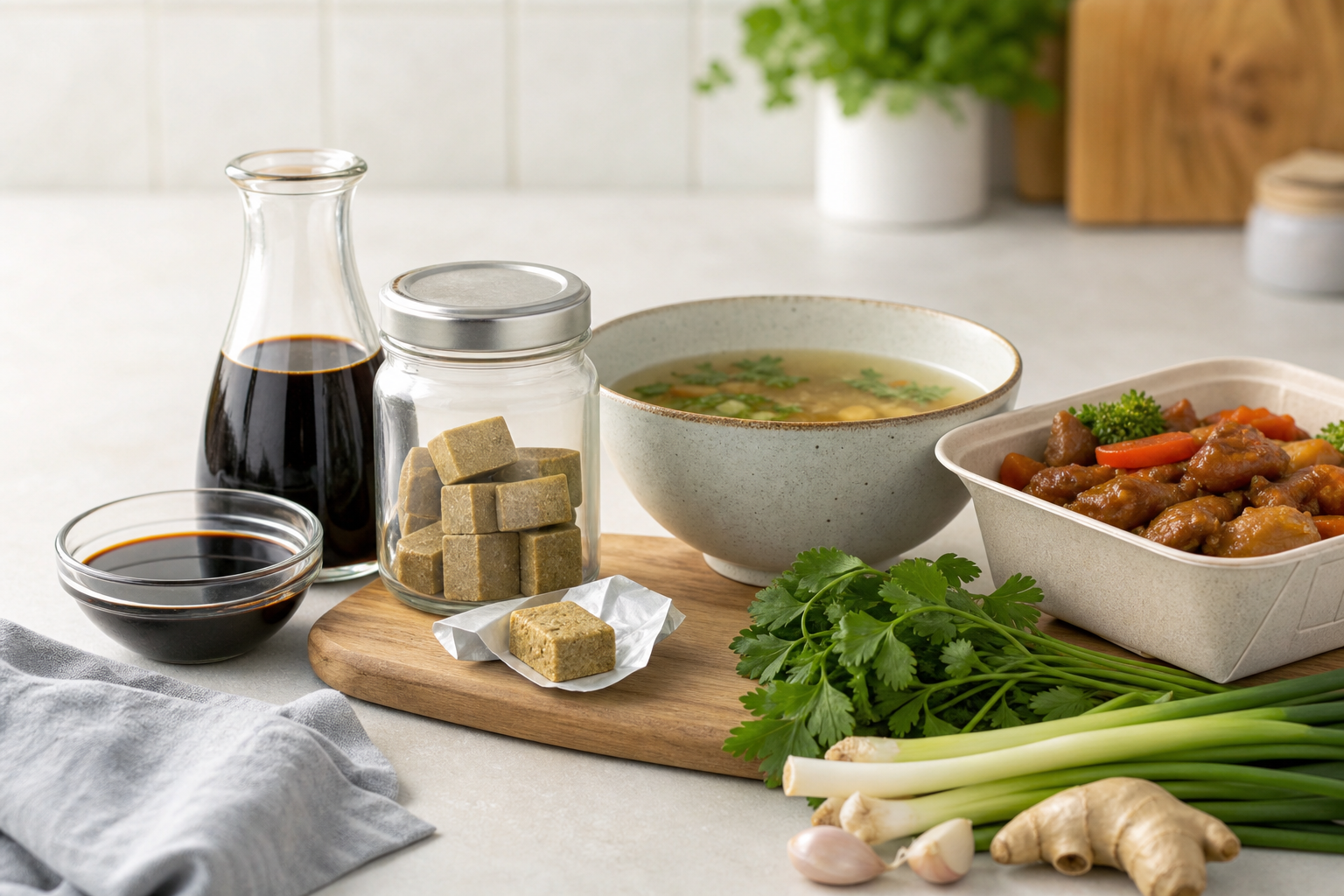
Ready meals, processed meats, salty snacks, cheese, soups, stock cubes, soy sauce, and other condiments can all add up. The biggest source varies by cuisine and routine.
Use flavour, not just less food
Reducing sodium does not need to mean bland meals. Herbs, spices, aromatics, citrus, vinegar, and different textures can all add flavour.
- Ask for sauces on the side when that is an option.
- Alternate higher-sodium restaurant meals with simpler home meals.
- Compare similar packaged foods and choose the lower-sodium option when practical.
Think in patterns
WHO advises adults to limit salt to less than 5 grams a day, equivalent to less than 2 grams of sodium. This is population guidance, not a reason to self-manage a medical condition without professional advice.
Practical next steps
- 1Keep labels for your most frequent packaged foods and note the serving size beside the sodium value.
- 2Add sauces, soups, stock, cured meats, and restaurant meals to your food record instead of logging only the main ingredient.
- 3Choose one category to compare next time you shop, such as bread, soup, or a favourite sauce.
Frequently asked questions
Can I estimate sodium from how salty a food tastes?
Not reliably. Taste is not a measurement, and sodium can be high in foods that do not taste very salty. A label, recipe, or restaurant nutrition information is the better source.
Should I use an app estimate to set a sodium target?
Use app records to organise information, not to create a personal treatment target. People with high blood pressure, kidney disease, or prescribed diets should follow guidance from their qualified care team.