

Nutrition basics
Dietary fibre: a simple way to add more to everyday meals
Learn where dietary fibre comes from and how to add it gradually through familiar foods and meals.
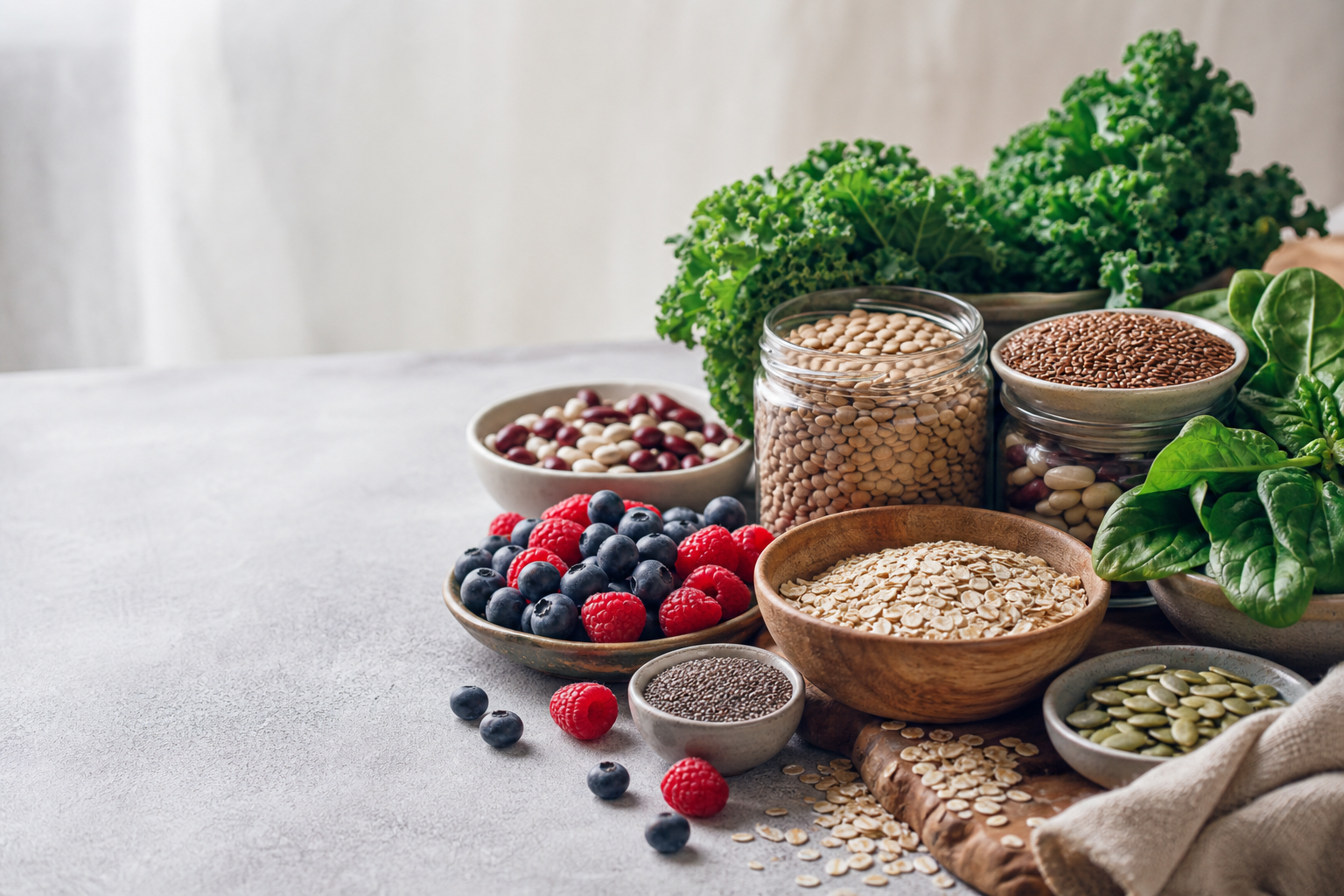
Dietary fibre comes naturally from plant foods. Use it as a prompt to include more variety across grains, pulses, vegetables, fruit, nuts, and seeds.
Start with foods you already enjoy
Whole grains, beans, lentils, vegetables, fruit, nuts, and seeds all contribute dietary fibre. Frozen and canned options can also be useful when they fit your routine.
Adding fibre gradually and drinking fluids as appropriate may feel more comfortable than making a large change overnight.
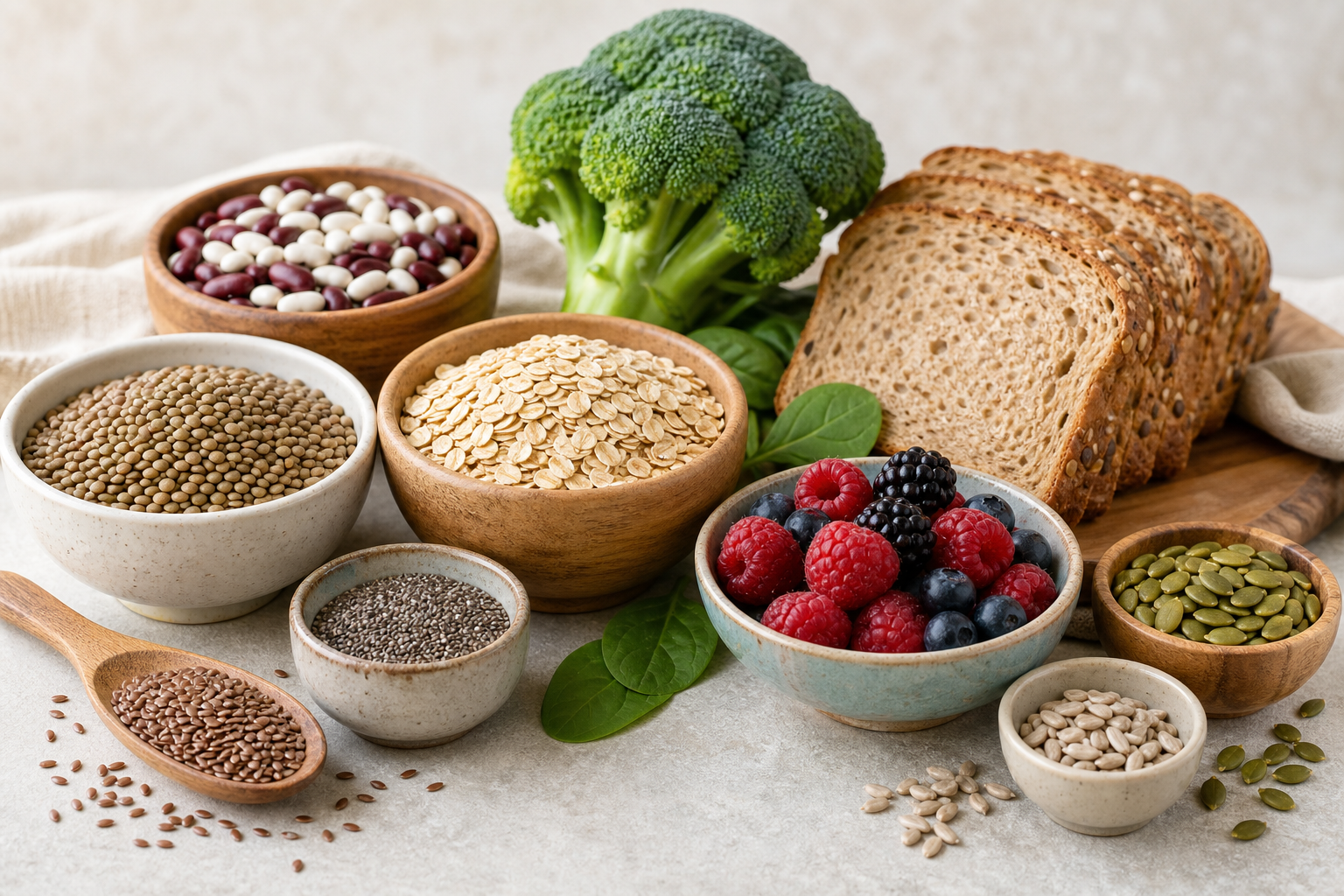
Build it into familiar meals
A simple addition often works better than a complete replacement. Add vegetables to a noodle or rice dish, choose a pulse-based side, or include fruit and nuts with a snack.
- Try one new plant food each week.
- Keep convenient options, such as oats, beans, and frozen vegetables, on hand.
- Use your meal log to notice which meals already make variety easy.
Aim for variety, not perfection
WHO advises everyone older than 10 years to aim for at least 25 grams of naturally occurring dietary fibre a day. Individual tolerance and needs vary, especially with digestive conditions.
Practical next steps
- 1Review a typical week and highlight the meals that already include beans, vegetables, fruit, or whole grains.
- 2Add one familiar high-fibre food to a meal you repeat often rather than changing every meal at once.
- 3If you have digestive symptoms or a clinician-directed diet, discuss significant changes with a qualified professional.
Frequently asked questions
Is a high-fibre diet right for everyone?
Not always. Some digestive conditions and treatment plans need individual advice. This article offers general education and is not a substitute for guidance from your clinician or dietitian.
Can a photo calculate the fibre in a mixed meal?
Only as an estimate. Portion size, recipe details, and the exact type of grain or product can change the result. Check labels or recipes when you need more reliable information.