

Nutrition basics
What are free and added sugars? How to read “of which sugars” on a label
Understand free and added sugars, what “of which sugars” means on a nutrition label, and practical ways to compare everyday foods.
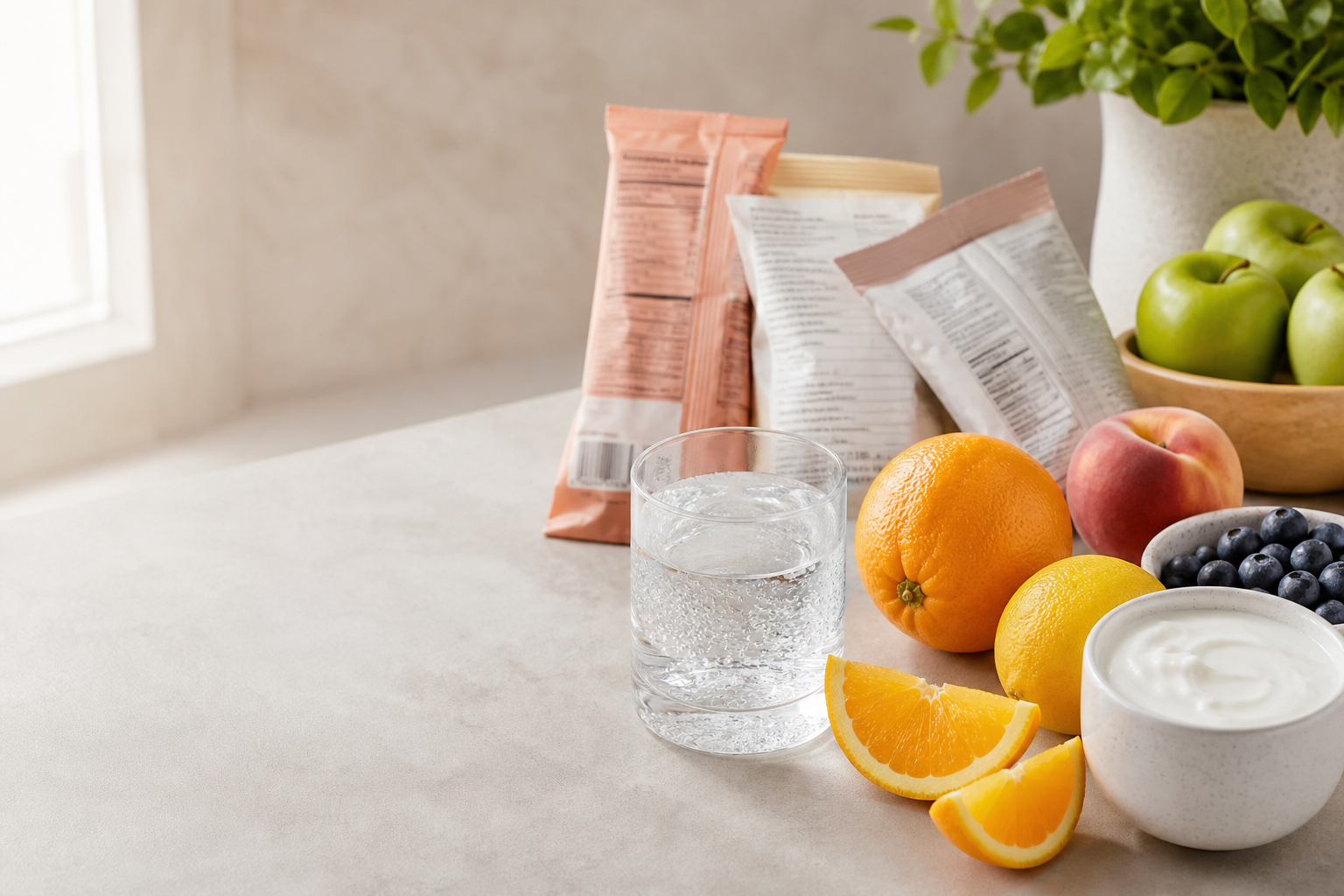
Free sugars include sugars added by a manufacturer, cook, or consumer, as well as sugars in honey, syrups, fruit juice, and fruit-juice concentrates. Added sugars are one part of that broader category, so the two terms are related but not always identical.
What does “of which sugars” mean on a nutrition label?
When a label lists carbohydrate and then says “of which sugars,” the second number is the amount of sugars within the total carbohydrate amount. It is not necessarily the amount of added or free sugar: it can include naturally occurring sugars, such as lactose in milk or sugars in fruit.
Use the ingredient list and the product context alongside that number. A plain yoghurt and a sweetened yoghurt can show sugars on the panel for different reasons, even when their total sugars look similar.
Look beyond desserts
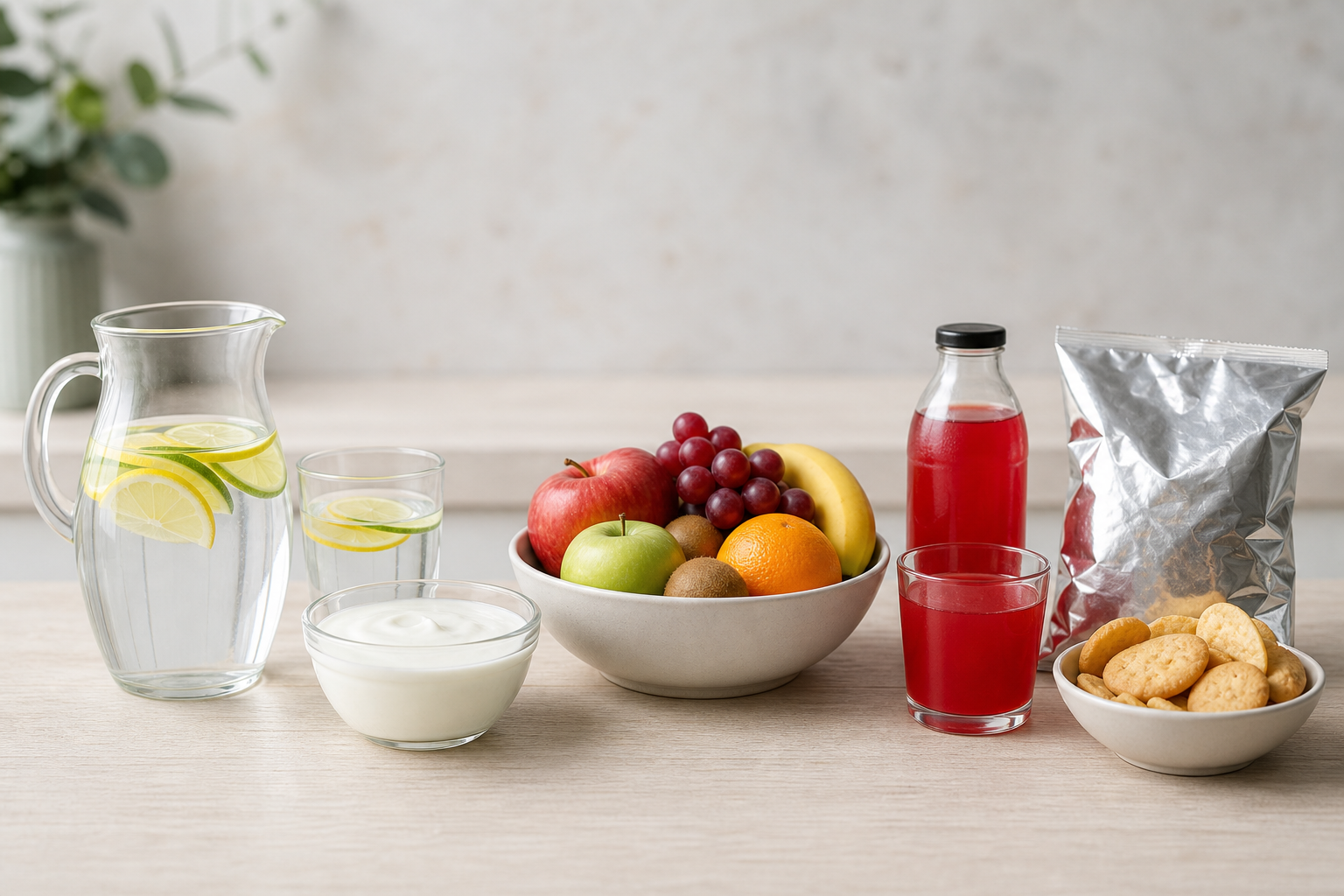
Sweet drinks, flavoured yoghurts, breakfast cereals, sauces, and packaged snacks can all contribute free sugars. Serving size and frequency matter as much as a product name.
Whole fruit is different from fruit juice in this context: juice can contain a significant amount of free sugar, while whole fruit also provides structure and fibre.
Make one useful swap at a time
Start with the source you have most often, such as a daily sweet drink or a regular snack. A change that fits your routine is more likely to last.
- Try water, unsweetened tea, or a lower-sugar option for everyday drinks.
- Compare similar packaged foods by serving size and sugars on the label.
- Choose meals and snacks that include fibre and protein for more lasting satisfaction.
Keep the target in perspective
WHO recommends limiting free sugars to less than 10% of total daily energy intake. A photo journal can help you notice recurring sources without labelling individual foods as good or bad.
Practical next steps
- 1For one week, note sweetened drinks, desserts, and packaged foods you eat often.
- 2When two similar products are available, compare the serving size and sugars line before choosing.
- 3Pick one repeatable change, such as making water or an unsweetened drink your default at one meal.
Frequently asked questions
Does “of which sugars” mean that all of the sugar was added?
No. It describes the sugars included within the total carbohydrate amount. Depending on the food, that can include naturally occurring sugars as well as added sugars. Check the ingredient list and compare similar products in the same category.
Can a food photo tell me how much added sugar is in a meal?
No. Photos may help you remember the food, but they cannot reveal a recipe, the amount of syrup or sauce, or a product formulation. Use the product label, recipe, or restaurant information when available.
Do I need to remove every sweet food from my diet?
No. This guide is about noticing regular sources and making realistic choices. If you have a medical condition or a clinician-set eating plan, ask your care team what applies to you.