
Chronic condition support
How to bring a food journal to a doctor or dietitian visit
Turn meal photos and notes into a focused, respectful starting point for a health-care conversation.
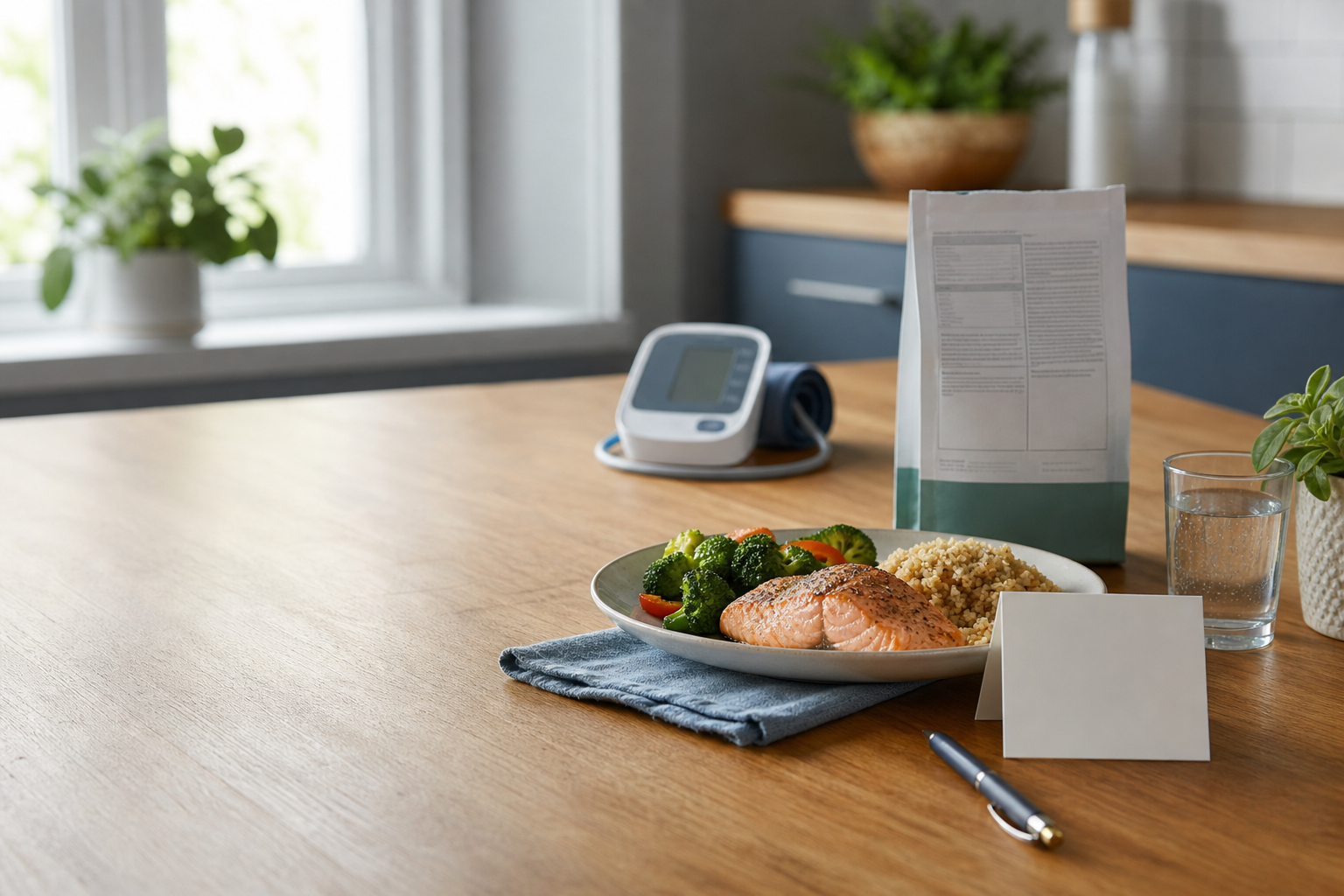
A food log works best when it helps you and your care team see everyday patterns quickly. You do not need a perfect spreadsheet to have a useful conversation.
Bring a typical sample
Choose several ordinary days, including meals at home and away. Keep photos, label values, meal times, drinks, and questions together.
Label where data came from
Distinguish nutrition-label values, restaurant information, manual notes, and photo estimates. This helps a clinician understand what is reliable and what needs clarification.
Ask for a clear next step
Ask which pattern is most useful to address first, which information to track next time, and when you should seek care sooner. Keep treatment decisions with your qualified care team.
Practical next steps
- 1Choose several typical days, including meals at home and away, rather than trying to document a perfect week.
- 2Keep meal times, drinks, labels, restaurant notes, photo estimates, and questions in one place.
- 3Ask your clinician which pattern to address first and what would be most useful to track next time.
Frequently asked questions
How many days of food records should I bring?
There is no universal number. A few ordinary days are often more useful than one idealised day; ask your clinician what information would help for your specific concern.
Should I hide meals I am embarrassed about?
No. The goal is an accurate, non-judgmental picture that supports care. Ordinary routines, including difficult days, can give your care team better context.