Chronic condition support
Diabetes and food journaling: prepare better conversations with your care team
Use a meal record to organise useful context for diabetes care without treating photo estimates as clinical data.
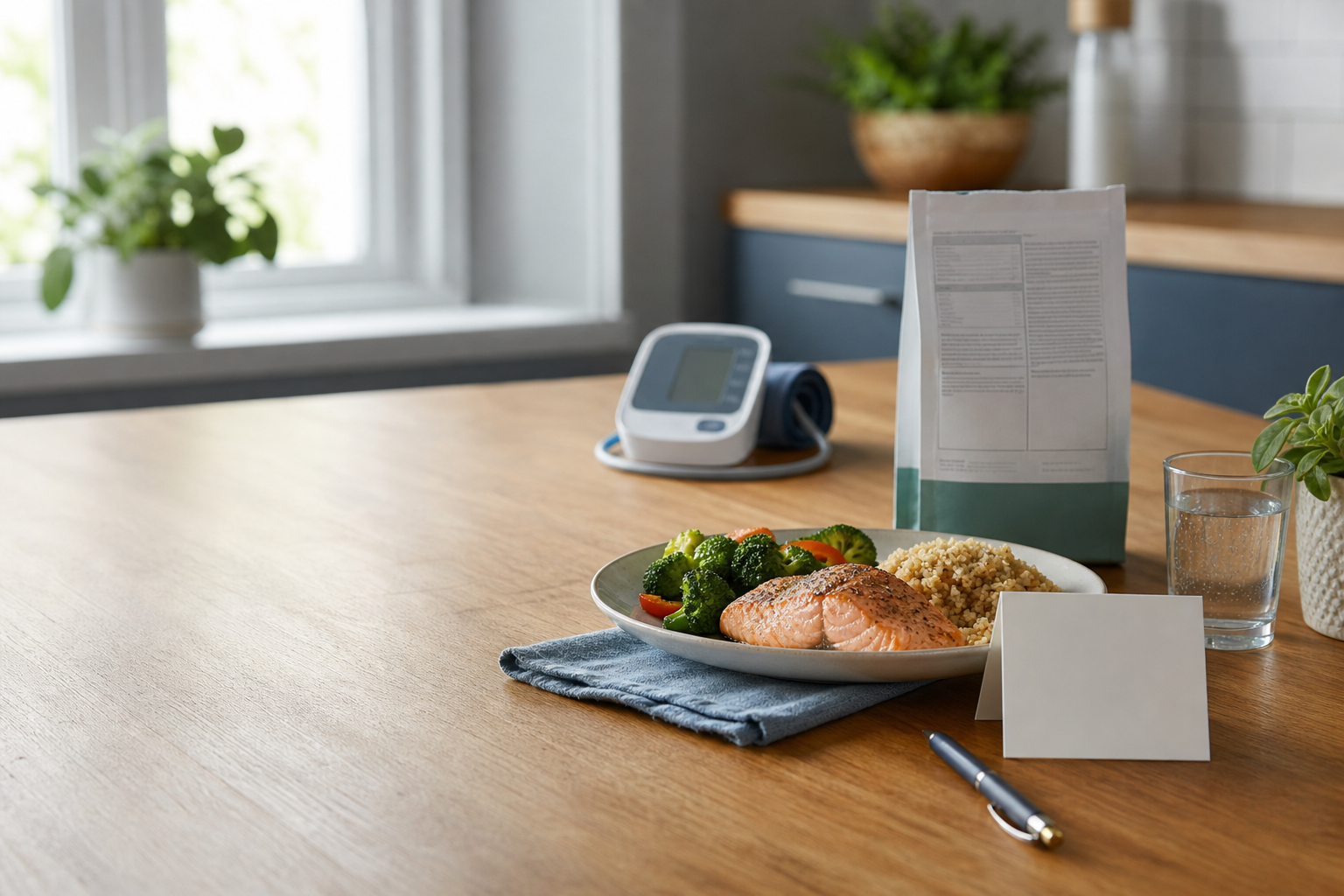
A meal journal can make it easier to remember what, when, and how you ate. It is a communication aid for diabetes care—not a way to diagnose glucose changes or adjust medication on your own.
Record the context that numbers miss
Save meal photos, meal time, drinks, portion notes, and anything unusual about the meal. If you monitor glucose under a clinician’s plan, discuss with them which records are useful to bring.
Treat photo estimates as estimates
Carbohydrate and calorie estimates from a photo can be incomplete when portions, sauces, recipes, or packaged ingredients are unclear. Review and correct obvious items before saving.
Use the record at appointments
Bring a representative week and your questions to a qualified health professional or dietitian. Do not change medication, insulin, or a clinician-set meal plan based on app results.
Practical next steps
- 1For several typical days, save meals, drinks, meal times, portions, and notes about anything unusual.
- 2Clearly distinguish label values, restaurant information, and photo estimates in your record.
- 3Bring a representative week and your questions to an appointment instead of changing treatment based on the record alone.
Frequently asked questions
Can photo estimates be used to dose insulin or change medication?
No. Follow the plan provided by your diabetes-care team. A food photo cannot reliably establish portions, carbohydrate content, or the information needed for treatment decisions.
What makes a food journal useful at an appointment?
Typical meals, drinks, meal timing, labels, restaurant details, and your own questions are often more useful than a perfectly complete log of one unusual day.