

Nutrition basics
A practical guide to tracking daily protein
Use meal-by-meal protein tracking to understand your routine and make small, sustainable adjustments.
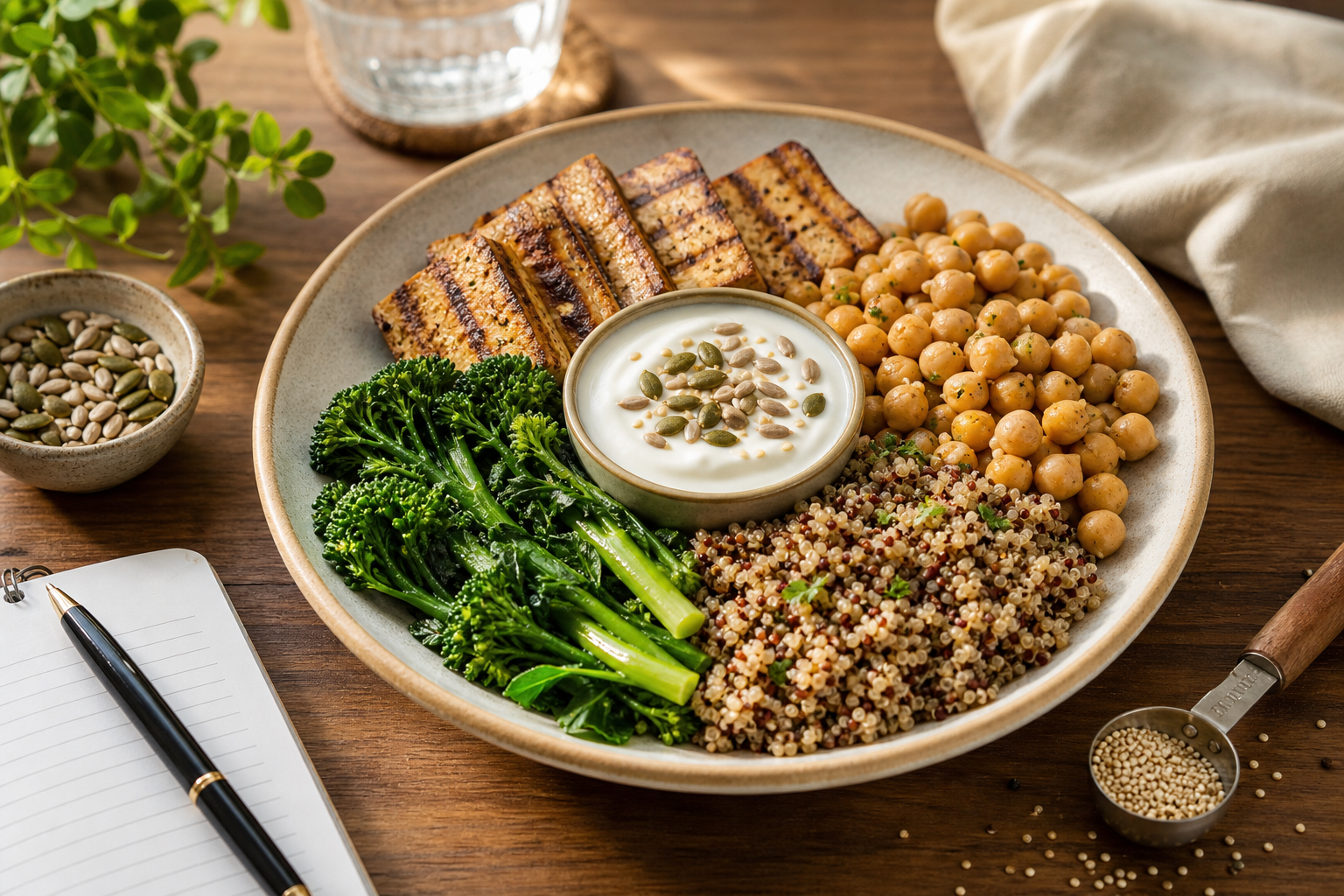
Protein needs vary with body size, activity, health status, and personal goals. A food log is most useful when it helps you see your current routine before you try to change it.
Start by observing, not optimizing
Log a typical week and look for broad patterns: are most protein-rich foods clustered in one meal, or do certain days look noticeably different?
This baseline gives you a more realistic next step than trying to follow a generic target from day one.
Build meals around familiar foods
Small additions can be easier to maintain than a full menu overhaul. Choose foods that fit your usual cuisine, budget, and cooking habits.
- Eggs, yogurt, milk, tofu, beans, fish, poultry, meat, and soy foods can all contribute.
- Review your log by meal to find the easiest place for an adjustment.
- Pair protein with a varied diet that includes plants, carbohydrates, and fats.
Use trends instead of one perfect day
Daily intake naturally varies. Weekly patterns are usually more useful than judging one meal or one day in isolation.
If you have kidney disease, are pregnant, are under 18, or manage a medical condition, discuss individual nutrition targets with a clinician or registered dietitian.
Practical next steps
- 1Record a usual week and review when protein-containing foods tend to appear across the day.
- 2Make one sustainable adjustment using foods that suit your taste, budget, culture, and cooking routine.
- 3Seek individual advice before major changes if you are managing kidney disease, pregnancy, adolescence, or another medical condition.
Frequently asked questions
What is the right daily protein target for me?
A personal target depends on factors this article cannot assess. A qualified clinician or dietitian can help when an individual target is needed.
Is it better to focus on one high-protein meal?
For many people, reviewing the whole-day or whole-week pattern is more useful than judging one meal. Choose changes that are realistic and fit your needs.