Pregnancy nutrition
How to use a food journal during pregnancy safely
A careful, low-pressure approach to meal records that supports—not replaces—antenatal nutrition counselling.
Pregnancy nutrition needs are individual and can change with symptoms, health history, and stage of pregnancy. A food journal is best used to support conversations with a qualified antenatal care team, not to grade your meals or manage symptoms alone.
Keep the record simple
Save typical meals, snacks, drinks, and a short note about tolerance or appetite when useful. Do not force detailed logging if nausea, fatigue, or food concerns make it stressful.
Focus on variety and food safety
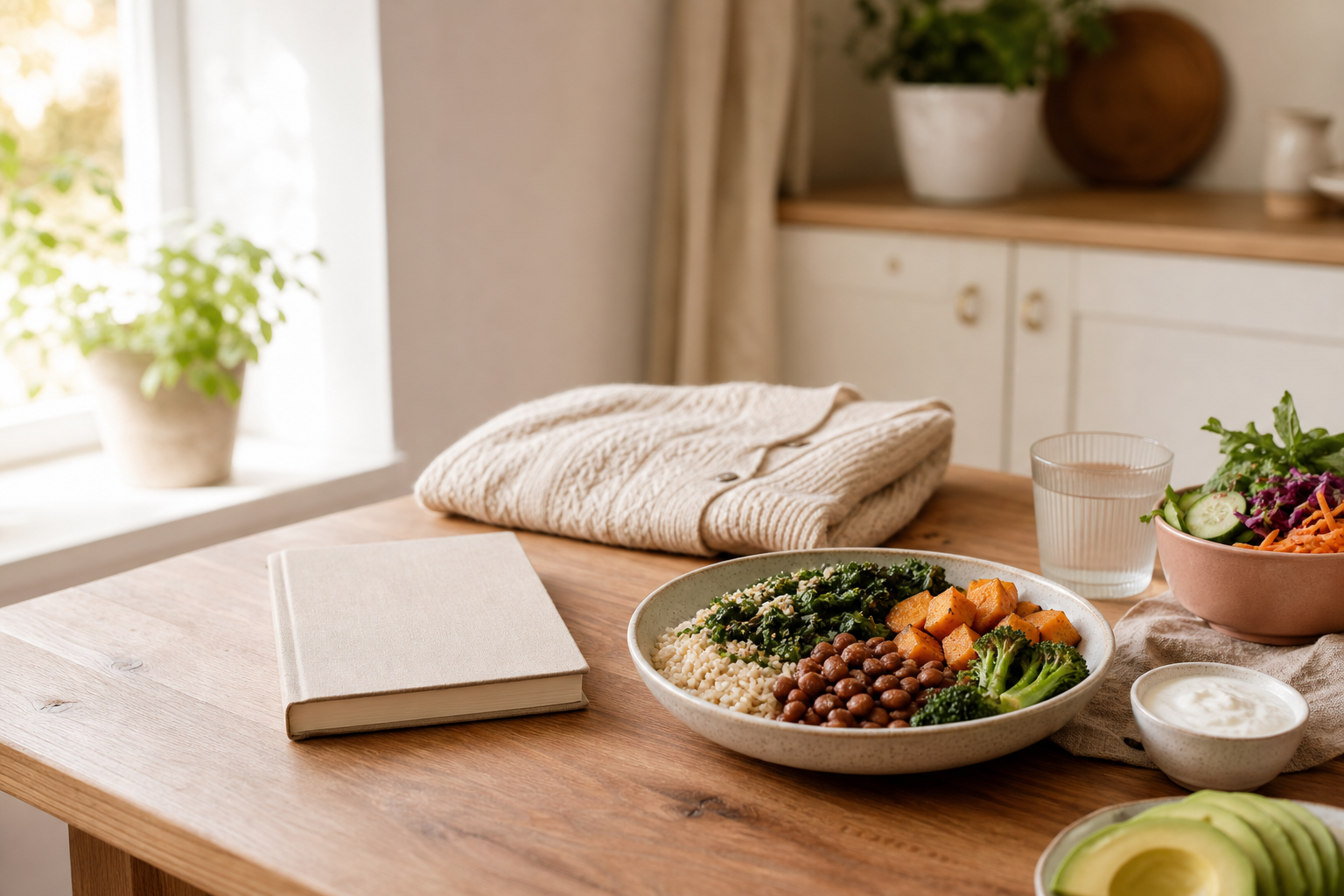
WHO describes a healthy pregnancy diet as adequate in energy, protein, vitamins, and minerals from a variety of foods, including vegetables, fruit, beans, nuts, whole grains, pasteurized dairy products, and suitable animal-source foods. Food safety and cleanliness matter too.
Escalate concerns to your care team
Bring the record to antenatal appointments if you have persistent symptoms, difficulty eating, questions about supplements, or concerns about weight change. Never use photo estimates as a substitute for clinical advice.
Practical next steps
- 1Keep the record simple: typical meals, snacks, drinks, and a brief note about tolerance or appetite when useful.
- 2Bring persistent symptoms, difficulty eating, supplement questions, or food-safety concerns to your antenatal care team promptly.
- 3Do not use photo estimates to manage symptoms, set targets, or change a treatment plan.
Frequently asked questions
Can a photo estimate show whether I am eating enough during pregnancy?
No. A photo estimate cannot assess your individual nutrition needs, symptoms, weight change, or pregnancy health. Discuss concerns with your qualified antenatal care team.
What should I include in a pregnancy meal record?
Typical meals, snacks, drinks, relevant symptoms or appetite changes, supplements you use, and questions for your care team can be helpful context.