Preconception nutrition
Preparing for pregnancy: how a food journal can support a preconception visit
Use a simple meal record to notice routines and prepare useful questions for your preconception care team.
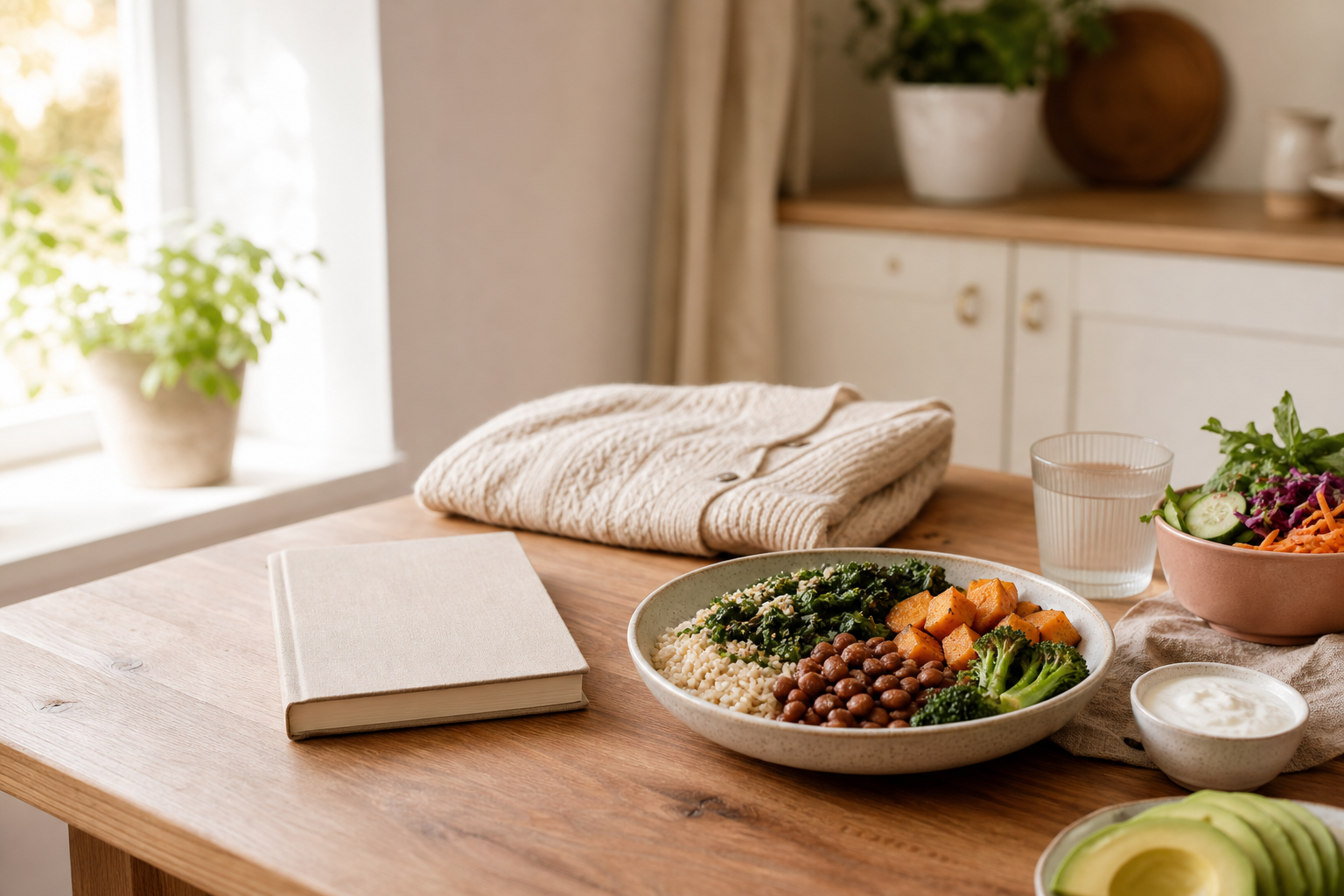
Preparing for pregnancy is a good time to focus on regular care and everyday routines. A food journal cannot replace preconception care, but it can help you describe your usual eating pattern more clearly at a visit.
Record patterns, not perfect numbers
A week or two of typical meals can show variety, meal timing, foods you find difficult to eat, and any supplements you already use. It is more useful to record an ordinary week than an idealised one.
Bring the right questions to care
Ask your qualified health professional about supplements, food safety, medical conditions, medications, and any individual nutrition needs. WHO recommends 400 micrograms of folic acid daily from the time someone begins trying to conceive until 12 weeks of gestation; individual circumstances can require different care.
Use the app as a memory aid
Save meal photos and short notes so you can discuss routines, symptoms, or concerns with your care team. Do not use an AI estimate to start, stop, or change a supplement or treatment.
Practical next steps
- 1Record one or two ordinary weeks, including meals, drinks, symptoms when relevant, and supplements you already use.
- 2Write down questions about food safety, medicines, medical conditions, or supplements for your preconception appointment.
- 3Use photo estimates as a memory aid only; do not start, stop, or change supplements based on the app.
Frequently asked questions
Can a food journal tell me whether I am ready for pregnancy?
No. It can help you prepare questions and describe your routine, but it cannot assess fertility, health risks, or individual nutrition needs.
Should I use app estimates to choose a supplement?
No. Supplement advice should come from a qualified clinician who can consider your individual circumstances, medicines, health history, and plans.