

Food photo analysis
How to estimate calories in a restaurant meal without overthinking it
A practical checklist for logging takeout and restaurant meals when an exact recipe is unavailable.
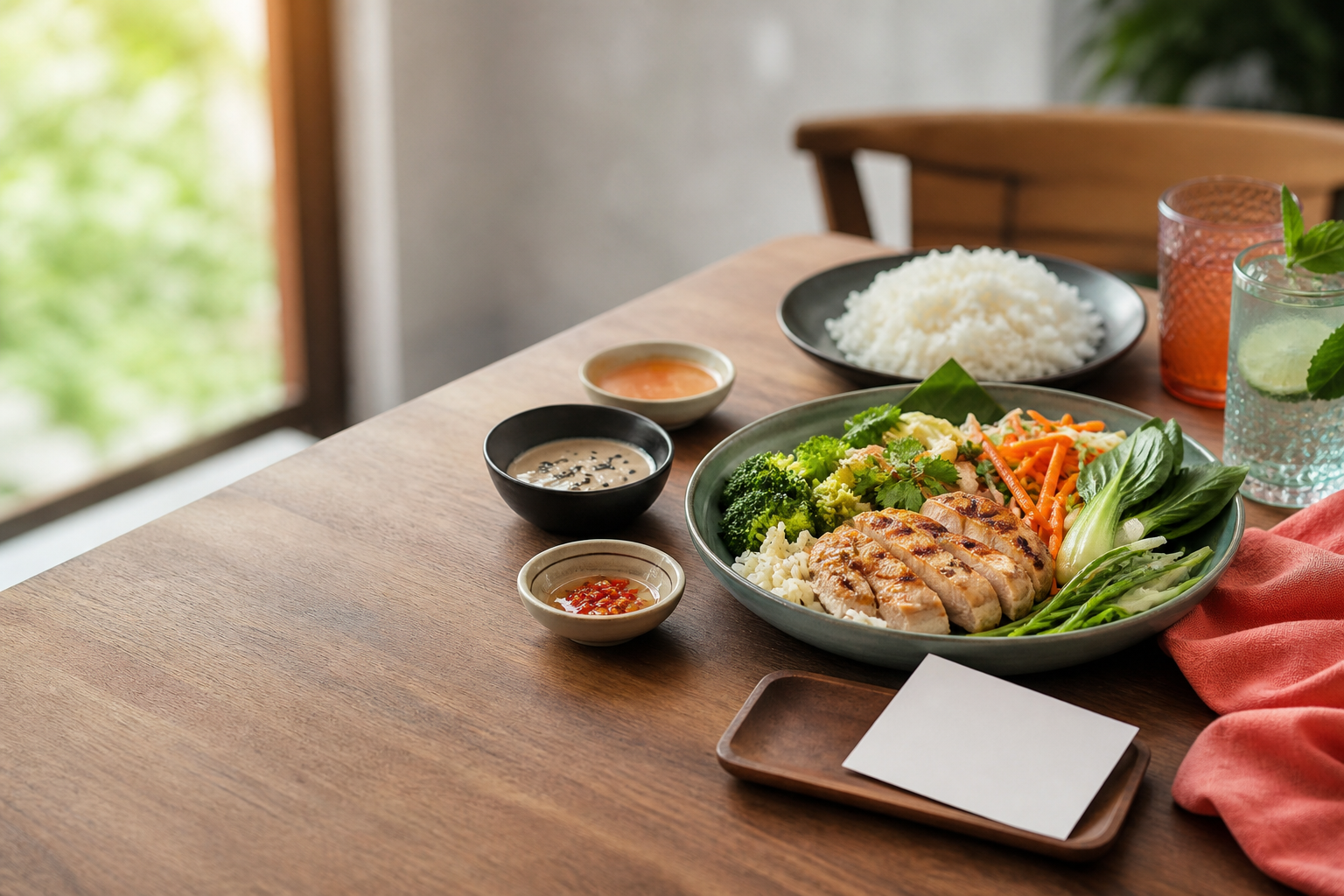
Restaurant meals rarely come with a full recipe. A useful estimate is not about getting every gram right—it is about recording the major contributors consistently enough to learn from your patterns.
Start with the plate, not a single total
Identify the main carbohydrate, protein, vegetables, cooking method, sauces, and drinks. This makes it easier to correct an estimate when a photo analysis misses a component.
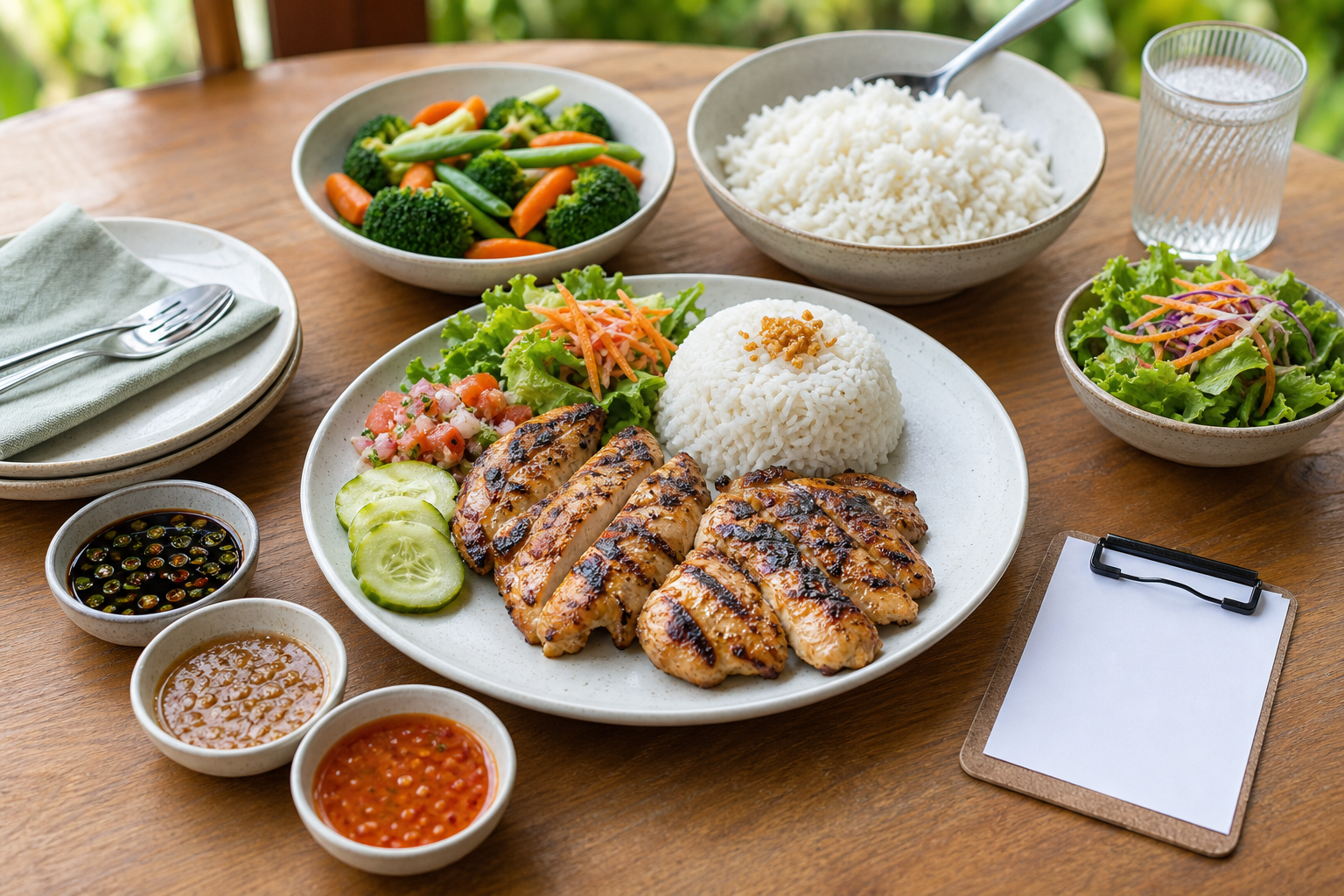
Check the high-variation details
Cooking oil, creamy or sugary sauces, fried coatings, portion size, and shared dishes can change an estimate more than a small garnish. Add a brief note when one of these is a major factor.
Keep the goal realistic
Use the same approach for similar meals and review weekly patterns. One restaurant meal does not need to determine the quality of an entire week of eating.
Practical next steps
- 1Photograph the whole meal and note whether it was shared, modified, or served with extra sauces or drinks.
- 2Use the restaurant’s own nutrition information when available; compare its serving description with what you ate.
- 3Treat unverified photo results as a range-like estimate and focus on patterns across meals.
Frequently asked questions
Can I rely on a restaurant photo estimate for exact calories?
No. Restaurant recipes and serving sizes vary, and hidden oils or sauces can change the result. A published value for the exact menu item is more dependable when available.
How should I log a shared meal?
Record what you personally ate as best you can, note that the dish was shared, and avoid turning an uncertain split into an exact number.