Special diets
Gluten-free eating: read labels and consider cross-contact
A practical guide to gluten-containing grains, label claims, and why photos cannot confirm gluten safety.
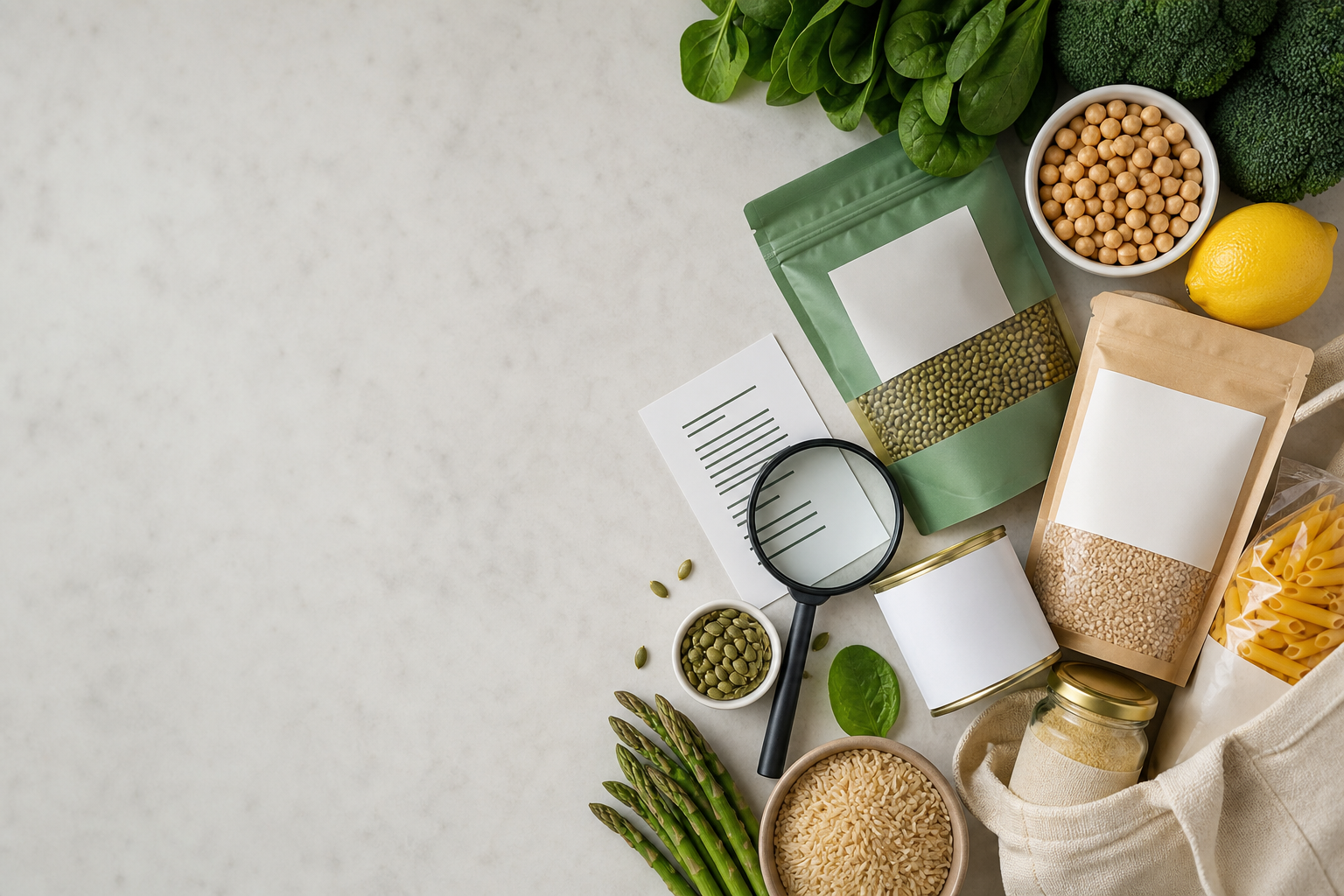
For people with coeliac disease or another clinician-diagnosed gluten-related condition, ingredient labels and preparation details matter. A food photo cannot show gluten or cross-contact.
Read the label, not the appearance
Wheat, barley, rye, and their crossbreeds contain gluten. Check ingredients and any gluten-free claim on the product sold in your market.
Ask about preparation
Cross-contact can happen while food is processed, stored, prepared, or served. When eating out, ask whether the kitchen can confirm ingredients and preparation.
Get diagnosis and advice first
If you suspect coeliac disease, speak with a clinician before starting a gluten-free diet because changing your diet can affect testing.
Practical next steps
- 1Check the current ingredient list and gluten-free claim for the product sold in your market.
- 2When eating out, ask whether staff can confirm ingredients and preparation, including shared surfaces or fryers when relevant to your plan.
- 3Keep a label or restaurant note with a meal record, but do not use a photo result as a safety decision.
Frequently asked questions
Can I tell whether a dish is gluten-free from its appearance?
No. Gluten and cross-contact are not visible in a photo. Use an ingredient list, a verified claim, or direct confirmation from the restaurant.
Is every gluten-free diet the same?
No. The level of care needed can differ by diagnosis and clinician guidance. This guide is general education rather than a personal treatment plan.